YOUR BRAND SHOULD LOOK LIKE IT BELONGS TO YOU.
Not Your Industry. Not Your Competitors. YOU.
Your brand is more than a logo.
It's the visual expression of who you are —
your personality, your values, your story and the experience you want people to associate with your business.
That's why we don't begin by asking what colors you like or showing you a catalog of logo styles.
We begin by getting to know you.
What does your business stand for? Who are your customers? How do you want people to feel when they encounter you? What makes the experience of working with you different?
Then we translate what we discover into a visual identity that feels intentional, professional and distinctly yours.
"Our key to success is listening to our clients, and clarifying their vision. We then expand on that to create branding that helps them reach their target customers," explains co-owner, Donna Clapp
We don't design a personality for your business.
We help make the one you already have visible.
A LOGO ISN'T YOUR BRAND.
But It Can Become a Powerful Symbol of It.
Your logo doesn't create your reputation.
Your business does that.
Every customer you take care of, every promise you keep, every problem you solve and every experience you create adds meaning to your name.
Over time, your logo becomes a visual shorthand for all of it.
That's why we don't believe logo design should begin with what's trendy or what everyone else in your industry is doing.
"We do our best to present everything very authentically around the visual branding of your business. So you see a lot of websites out there with stock photography on them. We try not to do that, because that’s not actually the work that your company is providing. We only want to show potential clients the work your company actually does. It’s part of the way we are creating authentic visual branding for you," explains co-owner, Jeff Clapp.
It should begin with understanding the business the logo is going to represent.
We explore your personality, audience, history, aspirations and the qualities you want people to associate with your company.
Then we translate those ideas into something visual.
A great logo doesn't need to tell your entire story.
It needs to feel like it belongs to the story you're building.
"Your website and branding should sound and look like you. It is you out there as a salesperson on the internet. So we do not create these generalized, carbon copy or art for our clients. We're not going to talk and share about your business as though it's just some industry." says, co-owner Donna Clapp.
BEFORE WE DESIGN, WE LISTEN.
You probably have ideas about what you want your brand to look like.
We want to hear them.
But we also want to understand what's behind them.
What does your business mean to you?
Why did you start it?
Who are the people you most want to serve?
What do you want them to experience?
What do you want to be known for?
What feels completely wrong for you?
And where do you hope this business is going?
Sometimes you already have a clear vision.
Sometimes it's still taking shape.
That's okay.
Part of our job is helping you clarify what you're trying to communicate before we begin deciding how it should look.
“Our key to success is listening to our clients and clarifying their vision. We then expand on that to create branding that helps them reach their customers.”
— Donna Clapp
Good design starts with understanding.

PROFESSIONAL DOESN'T HAVE TO MEAN CORPORATE.
One of the biggest mistakes a small business can make is trying so hard to look like a big company that it hides everything people might actually connect with.
Professionalism matters.
But professional doesn't have to mean impersonal.
And credible doesn't have to mean corporate.
Sometimes your greatest advantage is that you're a local business.
People can talk to the owner. They know who's showing up.
Your reputation matters personally. You remember your customers.
You care what happens after the job is finished.
Those aren't things your branding needs to hide. They're things it can help reveal.
We want your business to look established, capable and professional without stripping away the personality and humanity that make people want to work with you.
Don't manufacture stature. Reveal substance.
YOUR BRAND LIVES IN MORE THAN ONE PLACE.
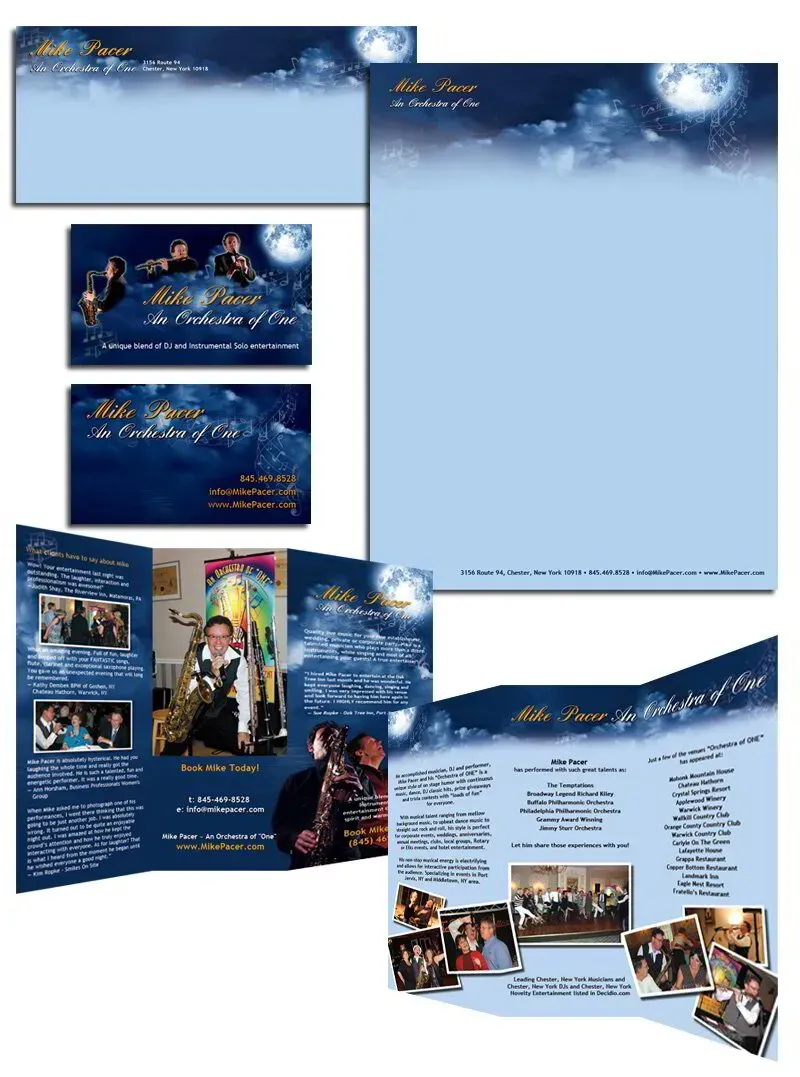
A visual identity becomes powerful through consistency.
Your logo is one part of it.
So are your colors.
Typography.
Photography.
Graphics.
Website.
Social media.
Signs.
Business cards.
Brochures.
Presentations.
Advertising.
Vehicles.
Packaging.
And all the other places someone encounters your business.
Those pieces don't need to look identical.
But they should feel like they came from the same place.
Your place.
We help develop the visual language that connects those pieces so that wherever someone encounters your business, the experience feels familiar, intentional and recognizably you.
SHOW PEOPLE THE REAL THING.
Your visual brand isn't only your logo.
It's also the people, places, projects and experiences people see when they encounter your business.
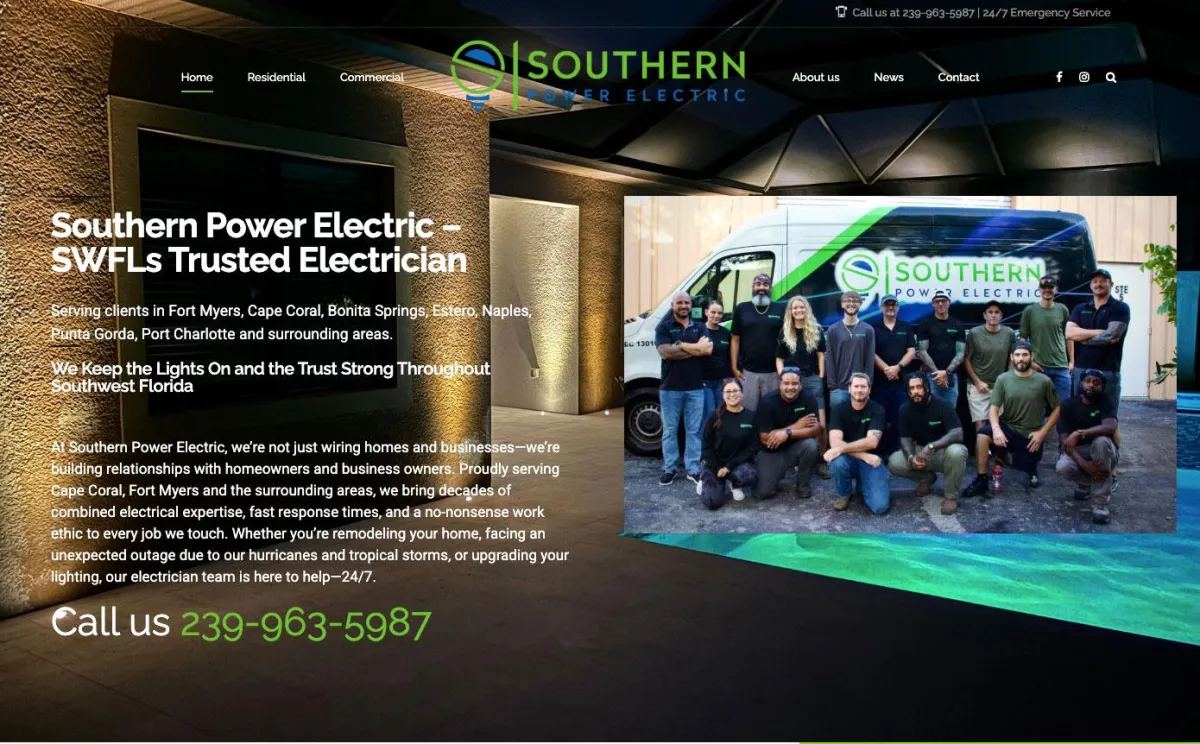
That's why we encourage our clients to use real photography whenever it makes sense.
Your people.
Your projects.
Your equipment.
Your office.
Your customers.
Your community.
The things that actually happen inside your business.
Stock photography has its place. But it shouldn't be used to create an imaginary version of your company.
If someone visits your website and then meets you in person, those experiences should feel connected.
Your marketing shouldn't make you look like somebody else.
It should help people recognize you when they finally meet you.
SOMETIMES MARKETING STILL NEEDS TO BE HELD IN YOUR HAND.
Not every meaningful interaction happens on a screen.
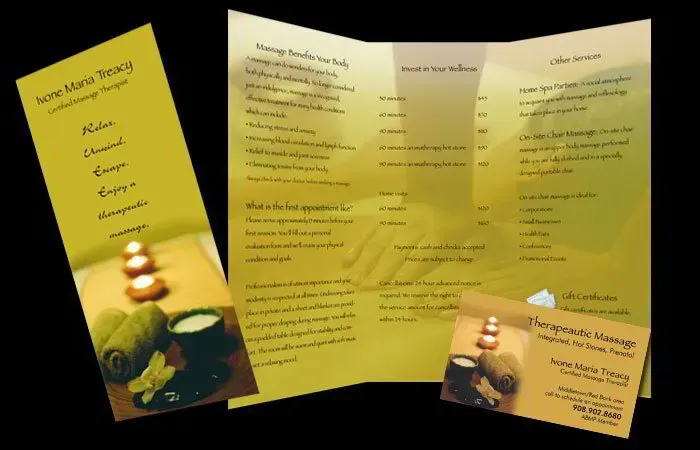
Business cards, brochures, presentation materials, direct mail, signage, event materials and other printed pieces can still play an important role in how people experience your business.
The same principle applies to print that applies everywhere else:
It should feel like you.
We design printed materials as an extension of your larger visual identity so the person who receives your brochure, visits your website, watches your video or sees your social content experiences the same business.
Different medium.
Same identity.
Same story.
WHAT DO YOU WANT PEOPLE TO FEEL?
This may be one of the most important questions we ask during the branding process.
Not:
“What color should your logo be?”
But:
“What should someone feel when they encounter your business?”
Confident?
Comfortable?
Energized?
Cared for?
Inspired?
Safe?
Excited?
Understood?
Your visual identity can't create a customer experience by itself.
But it can begin setting an expectation for one.
And when the experience people have with your business matches the expectation your brand created, something powerful begins to happen.
The brand feels true.
That's what we're after.
Not decoration.
Not an image manufactured by a marketing company.
Alignment between what people see and what they actually experience when they choose you.
A STRONG BRAND MAKES EVERYTHING ELSE FEEL CONNECTED.
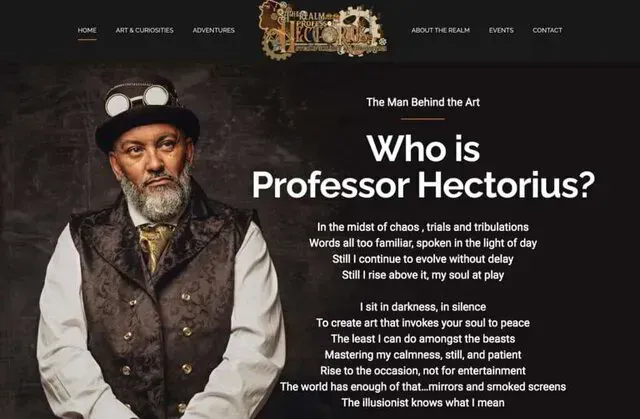
Your website shouldn't look like one company while your social media looks like another.
Your videos shouldn't feel disconnected from your print materials.
Your advertising shouldn't introduce a personality people can't find anywhere else.
Your brand gives all of those pieces a common visual language.
Website.
Video.
Social media.
Advertising.
Print.
Email.
Presentations.
Events.
Even the way your team represents the company.
When the pieces work together, people don't have to relearn who you are every time they encounter you.
Recognition grows. Familiarity grows. And the experience begins to feel consistent.
That's when branding stops being a logo project and becomes part of the larger story of your business.
YOUR BUSINESS ALREADY HAS A PERSONALITY.
The question is whether your branding reflects it.
Maybe you're starting something new.
Maybe you've outgrown the identity you started with.
Or maybe your business has always had something special about it, but nobody has ever helped you translate that into something people can see.
That's where we'd start.
Not with a logo.
With a conversation.
We'll learn about your business, your customers, your personality, your vision and the experience you want people to associate with your name.
Then we'll explore what that could look like.
You bring the vision. We'll help make it visible.
— Donna & Jeff Clapp
Frequently Asked Questions
Answers to common questions about Visitivity Inc and our marketing services.
What's the difference between a logo and a brand?
Your logo is a visual symbol that represents your business. Your brand is much bigger. It's the combination of what people see, hear, experience and eventually come to believe about your company. Your logo, colors, typography, photography, website, messaging, videos, print materials and social presence all contribute to it. But so do your reputation, customer service and the experience people have when they work with you. Over time, a well-designed logo can become a recognizable symbol of everything your business has earned.
Your logo represents your business. Your brand is what your business comes to mean to people.
What makes Visitivity's branding process different?
We don't start by asking, “What kind of logo do you want?” We start by getting to know the business the logo is going to represent. We want to understand your story, personality, customers, values, vision and the experience you want people to associate with your company. Then we explore how those ideas can be expressed visually through your logo, colors, typography, imagery and other brand elements. Because our goal isn't to create something that simply looks good. We want to create something that feels like it belongs to you.
What happens during a branding discovery session?
We'll talk about your business, where it came from, where it's going, who your customers are and what makes the experience of working with you different. We'll ask about your personality, preferences, competitors and the brands or visual styles you're naturally drawn to. But we'll also go deeper. What do you want people to feel when they encounter your business? What do you want to be known for? What feels completely wrong for you?
What parts of your existing identity still feel right? Sometimes those conversations uncover things a client hadn't considered before. Before we decide what your brand should look like, we want to understand what it needs to communicate.
What if I don't know what I want my logo or brand to look like?
You don't need to arrive with a sketch, color palette or Pinterest board. In fact, sometimes beginning without a predetermined visual solution gives us more room to explore. Our discovery process helps us understand your business, audience, personality and vision. From there, we can begin translating those ideas into visual directions for you to react to. You might know exactly what you like when you see it. Or you may discover that something you never would have imagined feels exactly right.
I already have a logo. Do I need to rebrand?
Not necessarily. A logo doesn't need to be replaced simply because it's been around for a while. If your existing identity still represents your business, works well across different applications and has recognition among your customers, there may be real value in keeping it. But businesses evolve. Your services may have changed. Your audience may have changed. Your company may have grown. Or your original logo may simply no longer represent the business you've become. We'll look at what you have before recommending that you replace it. We don't believe in throwing away brand equity just because we could design something new.
Can Visitivity refresh my existing brand without completely changing it?
Yes. Rebranding doesn't always mean starting over. Sometimes an existing identity has strong recognition but needs to be refined, modernized or expanded into a more complete visual system. That could mean adjusting typography, refining colors, simplifying a logo, developing secondary graphics, establishing photography direction or creating more consistency across your website, social media and print materials. The goal is to understand what's worth preserving and what needs to evolve. Sometimes the best rebrand isn't a reinvention. It's a clearer expression of what was already there.
What does a complete visual brand identity include?
That depends on what your business needs. A visual identity may include your primary logo, alternate logo variations, colors, typography, graphic elements, photography direction, iconography and guidelines for how those elements should work together. It can then extend into business cards, stationery, brochures, signage, vehicles, social graphics, presentations, advertising, your website and other customer touchpoints.
Not every business needs every possible brand element. The goal is to create enough of a visual language that your business feels recognizable and consistent wherever people encounter it.
Does Visitivity design business cards, brochures and other print materials?
Yes. We design business cards, brochures, direct mail, presentation materials, signage, event materials and other printed marketing pieces. We treat those materials as extensions of your larger brand rather than unrelated design projects. Someone who receives your brochure, visits your website and later sees one of your social posts should feel like they're interacting with the same company. Different materials. Same identity. Same story.
Should a small local business invest in professional branding?
Professional branding can be valuable for a small business, but we don't believe the goal should be making your company appear larger than it really is. In fact, being local and personal may be part of your greatest advantage.
Professional branding can help communicate that you're established, thoughtful and serious about what you do while still preserving the personality and humanity that make people want to work with you. You don't need to look like a national corporation to be credible. Professional doesn't have to mean corporate.
How do you make sure my branding doesn't look like everyone else in my industry?
We don't begin with your industry. We begin with you. Of course we'll look at your market and competitors. Understanding the visual landscape helps us recognize conventions, expectations and opportunities. But knowing what everyone else is doing doesn't mean we should imitate it. We want to understand your personality, customers, story, values and the experience you create. That's where meaningful differentiation usually comes from. Your competitors may offer similar services. They don't have your story, your people or your way of doing business. Your branding should reflect that.
Can Visitivity create photography, video and website design that match my new brand?
Yes, and that's one of the advantages of approaching your marketing as a connected system. A visual identity shouldn't end when the logo files are delivered. We can carry the personality and visual language of your brand into your website, photography, video, social media, advertising, print materials and other marketing. That creates consistency as people move from one interaction with your business to another. Your logo shouldn't feel like one company, your website like another and your social media like a third. It should all feel like you.
How long does the branding and logo design process take?
The timeline depends on the scope of the project. A logo project may be relatively focused, while a complete brand identity involving discovery, logo development, typography, colors, photography, print materials, website design and other applications will naturally require more time. The process also depends on collaboration and feedback. We want enough time to explore ideas thoughtfully without dragging the project out unnecessarily.
We'll establish the scope, milestones and expected timeline before the project begins. Good branding deserves thought. But the process should also have direction, momentum and a clear path forward.
VISITIVITY INC
Magnetic Content • Massive Attraction


© Copyright 2026. Visitivity Inc. All Rights Reserved.