
Contact Us
GET IN TOUCH WITH US @ VISITIVITY
Call us at 239-878-4641 or use the form below
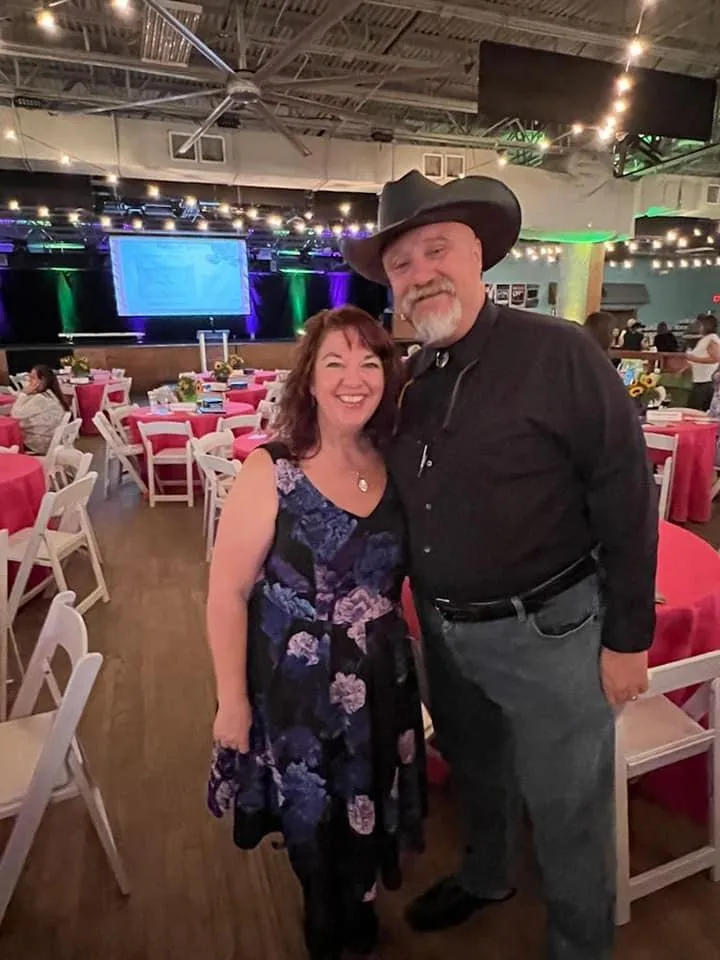
Reach out to us with any inquiries or collaborations. We're excited to embark on a journey with you! — Donna and Jeff Clapp
Frequently Asked Questions
Answers to common questions about Visitivity Inc and our marketing services.
What's the real reason most small business websites fail to get customers?
It's not traffic – it's trust. Most websites are written by AI or copied from competitors, so they all sound exactly the same. When a potential customer lands on your site, they can't tell if you're a real person who cares or just another faceless business. We solve this by making your website sound and feel like YOU from the first click. Half your sale is done before they even call.
Why do you turn down working with certain types of businesses?
We may not be the right fit for everyone – we're building long-term partnerships. If a business owner isn't interested in developing a complete customer experience, from first website visit to post-sale follow-up, they're not a good fit for us. We've walked away from potential clients who only wanted a "quick fix" without caring about how their customers feel throughout the entire journey. We take partnering with our clients very seriously and want those relationships to last.
What if I already have a website designer I'm happy with?
If you are totally happy then keep them. However, ask yourself this: does my current website make people feel like they already know me before they call? Am I getting customers who say "Oh my God, you sound just like you did on your website!"? If not, you might have a nice-looking brochure site that's not actually selling for you. The prettiest website in the world won't convert if it doesn't build an emotional connection.
How quickly will I dominate my local search results?
Traditional SEO techniques can take 4-6 months to show any significant results. Our news-powered marketing approach gets you ranking in the first 60 days. But here's what's more important: we're not just getting you found – we're helping get you chosen. Most businesses focus on visibility and forget about credibility. We build both simultaneously, so when people find you, they feel they can trust you and actually want to hire you.
What happens to businesses that don't prioritize their digital assets?
They become invisible, then irrelevant, then most times are just gone. Your website, social media, reviews, and online presence are literally gold – especially when you go to sell your business. We've seen business owners who ignored this for years, then came to us in panic mode when they realized their competitors were eating them for lunch online. Don't be that business owner.
Why should I choose Visitivity over a big national marketing company?
Because big companies most times treat you like a number. They've never lived through a Southwest Florida summer or hurricane, they don't understand our seasonal business rhythms, and have never navigated the cultural differences between Naples and Cape Coral. We're not just your marketing team – we're your neighbors, who've been here in Florida for over 12 years, and we actually care if your business thrives. Plus, when you call us, you'll talk to Donna or Jeff, not some call center in another state.
VISITIVITY INC
Magnetic Content • Massive Attraction


© Copyright 2025. Visitivity Inc. All Rights Reserved.